The remarkable history of Park Place, Dublin
Dublin is a city built on layers of history. Behind the glass and steel of its modern office blocks, there are always traces of what came before. The story of Park Place, now one of Dublin’s leading commercial addresses, is one of the most fascinating examples of that evolution. It’s a journey that begins with the clang of steam trains and ends with the quiet hum of computer servers, all while celebrating the city’s architectural heritage and its ability to adapt.
In the mid-19th century, Dublin was at the heart of Ireland’s railway boom. The Dublin and Wicklow Railway Company wanted a central city terminal, and in 1859, the Harcourt Street Terminus opened its doors. Designed by architect George Wilkinson, the station was a triumph of Victorian engineering and design. Its high-arched roof and impressive vaulted substructure made it a local landmark, serving as a gateway for passengers travelling between the city, the southern suburbs, and the scenic coast of County Wicklow.
For almost a century, the station was a bustling hub of movement and energy. Thousands of Dubliners passed through its platforms every day, creating a constant rhythm of arrivals and departures. But by the middle of the 20th century, the rise of the motorcar and the decline of rail travel began to change the city’s transport landscape. The station that had once symbolised progress began to feel like a relic of a different age.
The long sleep: Neglect and abandonment
In 1958, after 99 years of service, the Harcourt Street Terminus closed to the public. The platforms fell silent, the tracks grew over, and the grand old building slipped into decay. For decades it stood unused, its ornate exterior weathered but still standing, a reminder of both Dublin’s industrial past and the urban neglect that followed.
Thankfully, its status as a protected structure meant that key features, especially the vaulted substructure, were preserved. That decision would prove vital years later, when developers saw the potential to bring the site back to life without erasing its past.
A new chapter: The Clancourt group redevelopment (2004–Present)
The early 2000s marked a new era for Dublin’s cityscape. In 2004, the Clancourt Group began one of the city’s largest office redevelopments, transforming the derelict railway site into what is now Park Place. Their vision was ambitious but respectful, a modern, vibrant office campus that retained the soul of the old station.
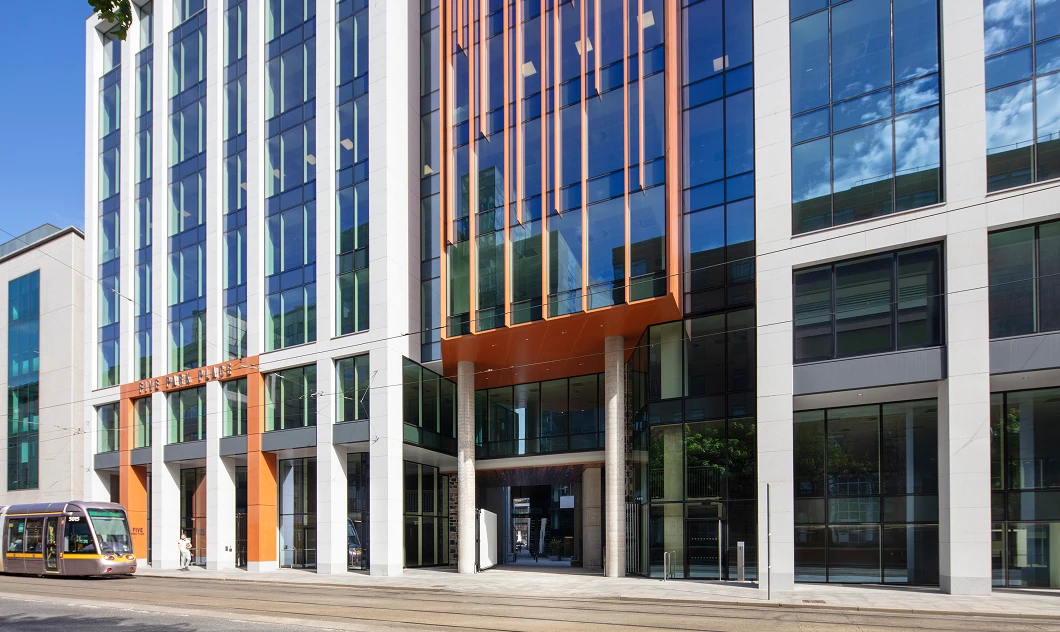
Restoration work was carried out with remarkable care. The original Harcourt Street Station building was fully restored and woven into the new design, while the vaulted arches beneath were repurposed as distinctive retail and commercial spaces. The development created three interconnected, eight-story office blocks built around a bright, open atrium. It became a seamless blend of heritage and innovation, where historic railway brickwork meets contemporary glass and steel.
Sustainability was also a core focus, with the project achieving a “Good” LEED rating through features such as solar-control louvers and an innovative “ice bank” cooling system.
The modern campus: A hub for business and culture
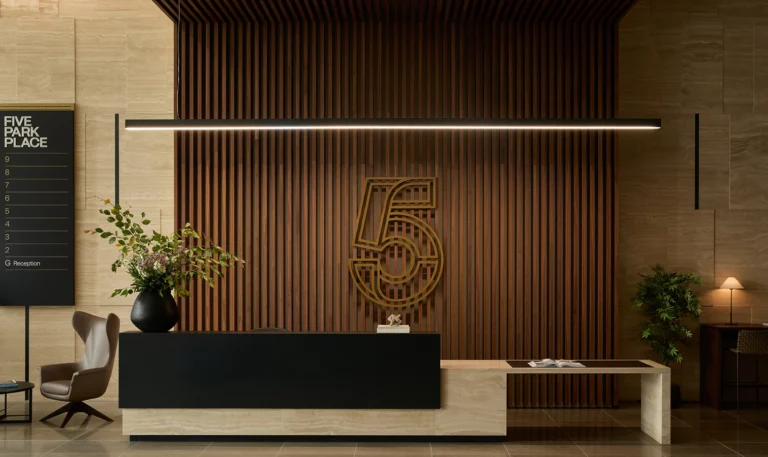
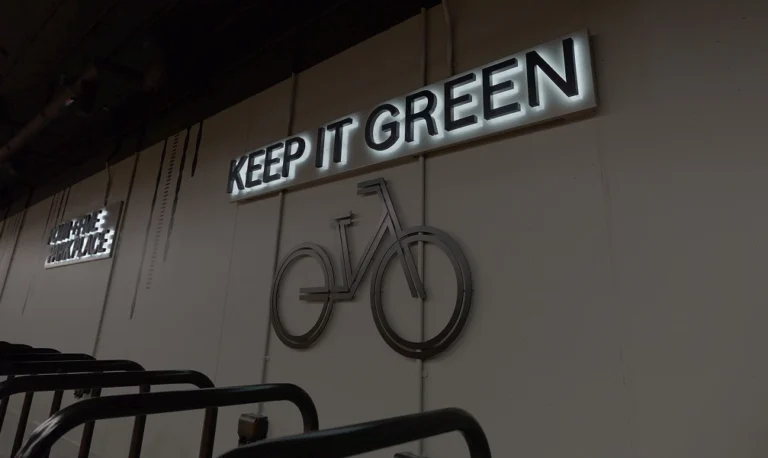
Since the first phase was completed in 2006, Park Place has continued to grow and evolve. Later phases, including Four and Five Park Place, added more premium office space and attracted a mix of Irish and international companies. Its prime location on Harcourt Street, directly served by the Luas Green Line, Dublin bus right on the doorstep as well as bike racks at the back of the building which makes it one of the most accessible business addresses in Dublin.
Its proximity to the Iveagh Gardens also connects it to the “National Concert Hall Quarter,” a Dublin City Council initiative aimed at enhancing the surrounding cultural and public spaces. The result is a workplace environment that feels connected to both the city’s past and its creative present.
A legacy of transformation
The story of Park Place, from a Victorian railway terminus to a derelict shell and now to a modern business campus captures the essence of Dublin’s evolution. It shows how the city can reinvent itself while honouring its roots. The legacy of the Harcourt Street Station still echoes through the restored arches and vaulted spaces, not in the sound of steam engines, but in the quiet energy of modern enterprise and innovation.
Learn more about the history of Park Place